We Search Because We Love: A Mission of Hope in the Midst of Absence
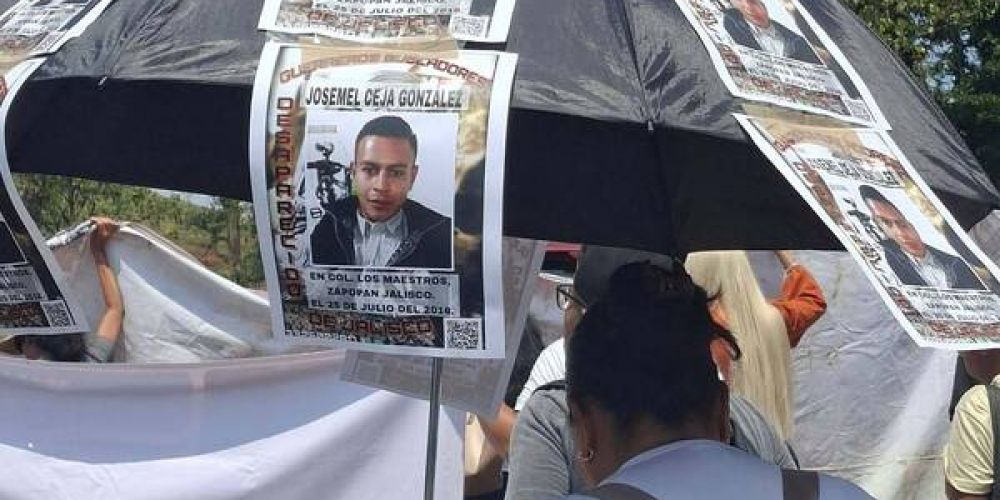
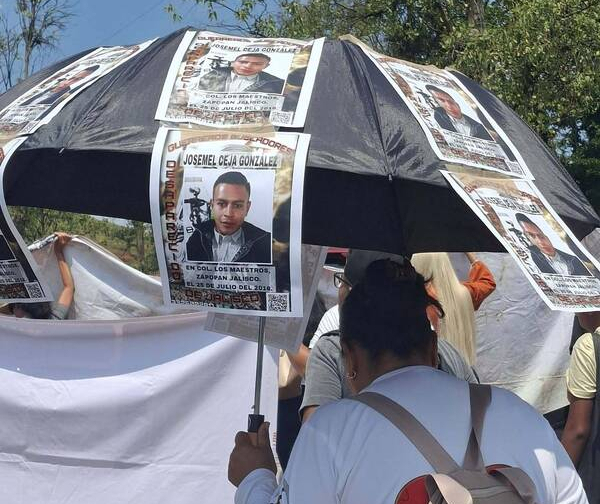
Mexico carries a deep wound in its heart: thousands of families live with the disappearance of a son, a daughter, a husband, a brother. Behind the numbers are names, photographs carried through the streets, empty places at the table, and a question that echoes through days and years: Where are they?
In response to this reality, numerous search collectives have emerged, many of them led by mothers who refuse to accept that the absence of their children should also become oblivion. They search in government offices, hospitals, prisons, along roads and across open land; they ask questions, investigate, march, and raise their voices.
But they do not walk entirely alone. Religious sisters, priests, lay people, and different organizations have drawn near to accompany them, to listen, to console, and to make their suffering visible to society. It may seem like a simple presence, but it is profoundly missionary: to be present where life is wounded and where the Gospel needs to become closeness.
A few days ago, during a march marking the International Day of the Victims of Enforced Disappearances, we walked alongside these families. Among photographs and names, we heard their cries:
“Son, listen: your mother is fighting for you.”
“Why do we search for them? Because we love them!”
“Sir, ma’am, do not remain indifferent; our children are being taken away in front of everyone.”
“They were taken alive; we want them back alive.”
These are powerful words, but behind them I discovered something even more powerful: the love of a mother who refuses to give up.
These women remind me of so many pages of the Gospel where suffering does not have the final word. They have transformed their pain into searching, absence into memory, helplessness into collective action, and tears into a hope that keeps moving forward. Without even intending to, many of them remind us that hope does not mean standing still: hope also searches, asks questions, denounces injustice, accompanies, and perseveres.
For this reason, accompanying them is also a mission in the service of peace and reconciliation. But not a peace built upon silence or forgetting. True reconciliation requires truth, justice, listening, and recognition of the suffering of victims. It requires a society capable of overcoming indifference and learning once again to see the pain of others as something that concerns us all.
Perhaps our mission is not to have all the answers. Sometimes it may simply mean walking beside them, holding a photograph, listening to a story, accompanying a search, praying together, and helping to ensure that their voices are not forgotten.
Because no one should have to search alone for someone they love.
Because every name has a face.
Because every absence matters.
And because as long as a mother continues to ask, “Where is my child?”, the Gospel will continue to call us to walk by her side.